

Target Audience: EMDR Therapists & Mental Health Clinicians
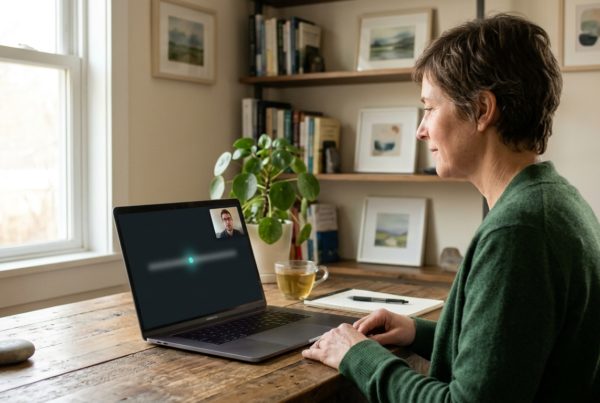
In online EMDR therapy, the groundwork laid before Desensitization often determines whether a session flows smoothly or runs into preventable friction. When clients sit in their own living rooms, bedrooms, or parked cars, they bring both the comfort of familiar surroundings and the absence of a clinical office buffer.
Strong Preparation helps clients build emotional regulation skills, test digital bilateral stimulation (BLS) in low-stakes moments, and establish clear boundaries so reprocessing feels structured rather than abrupt.
1. Assessing Readiness and Window of Tolerance Remotely
Not every client is ready to jump straight into trauma processing over a video connection, even if they feel eager to start.
- Evaluate baseline regulation outside the office: Notice how the client tracks emotions, tolerates distress, and recovers between check-ins when they are alone in their own environment.
- Screen for dissociation and overwhelm early: Clients prone to spacing out, shutting down, or rapid escalations in affect benefit from extra time practicing grounding and noticing early somatic cues before targeting distressing memories.
- Clarify expectations around pacing: Let clients know that slow, deliberate preparation is part of effective EMDR—not a delay—and that pausing or slowing down is always an option.
2. Practicing Resources and Testing Virtual BLS Ahead of Time
Digital tools work best when they feel familiar rather than novel during an emotionally charged set.
- Build a practical resource toolkit: Work with the client to strengthen calming imagery, safe or peaceful places, or somatic anchors that can be accessed quickly on screen without needing therapist hands in the room.
- Run a low-stakes BLS trial: Test visual speed, marker size, background tone, or stereo audio cues on a neutral or mildly pleasant memory first. This helps catch lag, awkward screen angles, or sensory discomfort before high-affect work starts.
- Notice client reactions to different cues: Some clients find smooth horizontal tracking easy to follow, while others prefer slower movement, closed-eye audio, or self-directed tapping—especially if screen glare or motion feels fatiguing.
3. Establishing Clear Boundaries and Safety Agreements
Because you are not physically sharing a space, explicit agreements prevent confusion if emotions spike or the connection falters.
- Define how to stop or slow a set: Agree on a clear verbal word, hand signal, or pause cue so the client feels empowered to stop processing at any moment.
- Plan for intense affect after the call ends: Unlike leaving a clinic waiting room and walking to a car or train, remote clients can be seconds away from household demands, work calls, or caregiving. Build a post-session wind-down routine and containment step before signing off.
- Set expectations for privacy and interruptions: Discuss how to handle roommates, family members, pets, or delivery knocks mid-session, including when to mute, step off camera briefly, or shift to grounding.
4. Documenting Session Notes and Progress Across Remote Visits
Consistent clinical tracking helps connect the dots between preparation exercises, BLS adjustments, and reprocessing milestones across sessions.
- Record what works for each client: Note preferred BLS speeds, modalities, screen adjustments, and grounding resources so you do not have to guess or re-test from scratch every week.
- Track shifts in affect and regulation: Keep clear notes on SUDs, VoC, body sensations, and inter-session stability to guide pacing and case conceptualization over time.
Key Takeaway for Clinicians
Thorough preparation turns virtual EMDR from a screen-based experiment into a steady, collaborative process. When clients know how to regulate, what to expect from digital BLS, and how to handle interruptions or post-session transitions, reprocessing can unfold with greater safety and clarity.
Note: This article is intended for educational purposes for mental health professionals and does not constitute clinical supervision, medical advice, or a substitute for formal EMDR training.


 English
 Nederlands
 Français
 Deutsch
 Türkçe